

Proving seaman status under the Jones Act requires demonstrating that you perform duties on a vessel in navigation for at least 30 percent of your working time. This legal threshold distinguishes maritime workers from those covered by state workers' compensation. At Christmas Injury Lawyers, we help South Carolina maritime workers verify their eligibility for federal protections.
The Legal Definition of a Seaman
The Jones Act is a federal statute that provides compensation to seamen injured in the line of duty. To qualify, a worker must meet the specific definition established by the U.S. Supreme Court in Chandris, Inc. v. Latsis. A seaman is a person who contributes to the function of a vessel or to the accomplishment of its mission. This contribution must be made in a way that connects the worker's duties to the vessel's function or mission in a meaningful way.
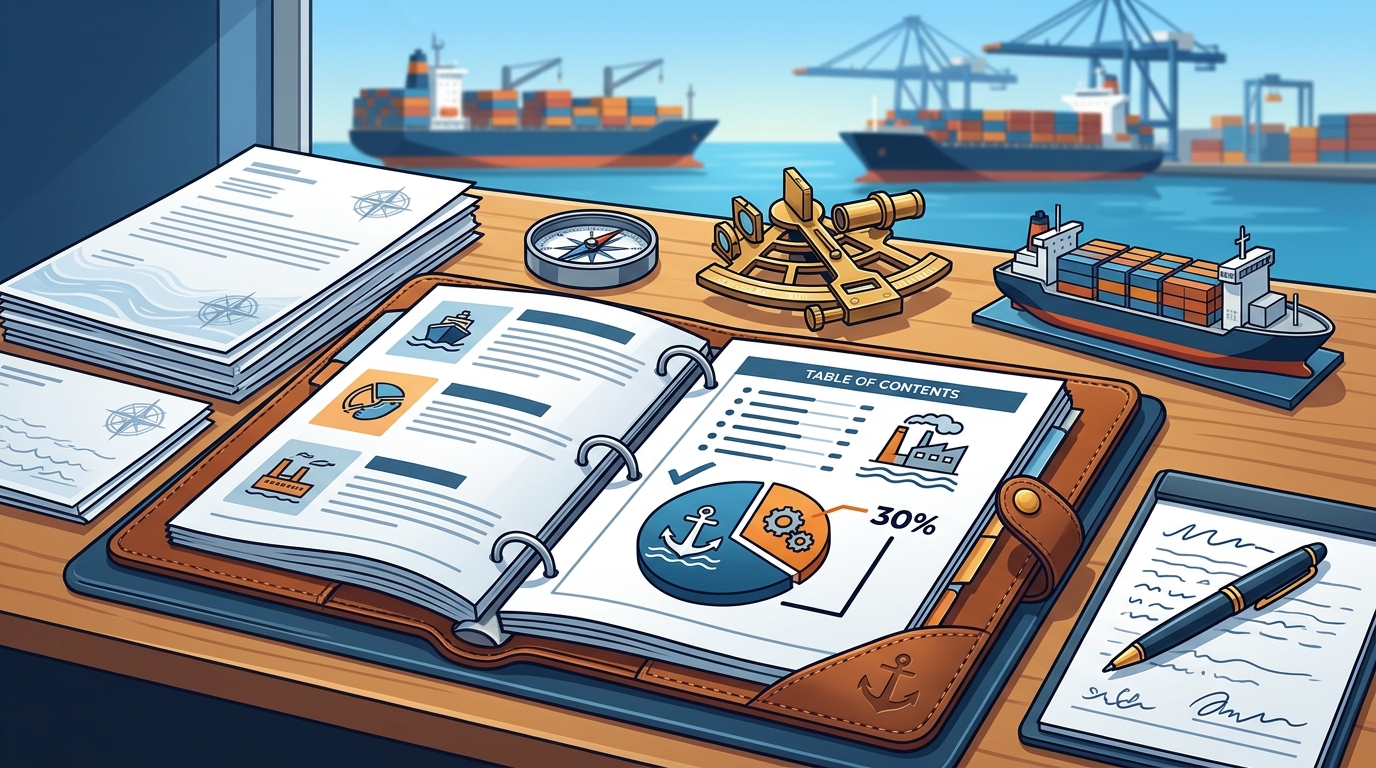
The second prong of the test is the 30 percent rule. A worker must be aboard the vessel for at least 30 percent of the time they work. This is not a strict mathematical requirement for every single day, but rather a general pattern over a period of time. If you spend the majority of your time on land, you are likely not a seaman. Instead, you may fall under the Longshore and Harbor Workers' Compensation Act or state workers' compensation laws.
Understanding this distinction is critical because the Jones Act offers different benefits than state workers' comp. It allows for negligence claims against the employer, which is not permitted under the exclusive remedy of state workers' compensation. At Christmas Injury Lawyers, we analyze your work schedule and duties to determine if you meet this federal standard.
Establishing the Vessel in Navigation
The second element of seaman status is that the worker must be assigned to a vessel in navigation. A vessel in navigation is a watercraft that is afloat, operating, or capable of operating as a means of transportation on water. This definition is broad and includes most commercial ships, fishing boats, and offshore platforms that are mobile. However, it excludes vessels that are permanently fixed to the seabed, such as certain types of oil rigs that are not designed to move.
In South Carolina, many workers operate in the Charleston Harbor or along the Intracoastal Waterway. If your work involves moving between locations on the water, your vessel is likely in navigation. The key is that the vessel must be capable of moving and actually used for transportation. If you work on a dock or a fixed pier, you are generally not a seaman. You are a longshore worker. The distinction matters because the legal framework for your injury claim changes entirely.
Christmas Injury Lawyers represents workers in Charleston and across the state who operate on mobile vessels. We review your employment contract and daily logs to confirm the vessel's status. If your boat is permanently moored, you may not qualify for Jones Act protections. Instead, you might be covered by the Longshore Act, which has its own specific filing deadlines and benefit structures.
Documenting Your 30 Percent Time Requirement
The most common point of contention in Jones Act cases is proving the 30 percent time requirement. Employers often argue that a worker spends too much time on land to qualify as a seaman. To counter this, you need concrete evidence of your work schedule. This includes time cards, GPS logs from your vessel, and maintenance records. These documents should show a consistent pattern of being aboard the vessel for the majority of your work hours.
Consider a deckhand who works 40 hours a week. If they are aboard the vessel for 25 of those hours, they meet the 30 percent threshold. If they are aboard for only 10 hours, they do not. The calculation is based on the worker's total working time, not just the time spent on a specific trip. It is a rolling average over a reasonable period. You do not need to be aboard 30 percent of the time every single week, but the overall pattern must support the claim.
At Christmas Injury Lawyers, we help clients gather this evidence. We request payroll records and vessel logs from the employer. If the employer withholds this information, we can use discovery tools to obtain it. This documentation is the backbone of your case. Without it, it is difficult to prove that you are a seaman rather than a land-based worker. We ensure that your records are organized and presented clearly to the court or the insurance adjuster.
Distinguishing Seamen from Longshore Workers
Many maritime workers in South Carolina confuse seaman status with longshore worker status. The Longshore and Harbor Workers' Compensation Act (LHWCA) covers workers who are injured on navigable waters but are not seamen. This includes dockworkers, crane operators, and those who load and unload cargo. The LHWCA is a no-fault system, similar to state workers' compensation. You do not need to prove negligence to receive benefits. However, you also cannot sue your employer for pain and suffering.
The Jones Act, by contrast, is a fault-based system. You must prove that your employer was negligent in causing your injury. This is a higher burden of proof, but it allows for greater compensation. You can recover for pain and suffering, which is not available under the LHWCA. Therefore, proving seaman status is often more valuable for the injured worker. It opens the door to a negligence lawsuit against the shipowner.
Christmas Injury Lawyers helps clients navigate this distinction. We evaluate your specific duties to determine which act applies. If you are a seaman, we pursue a Jones Act claim. If you are a longshore worker, we file a claim under the LHWCA. The correct classification ensures that you receive the maximum benefits available under the law. We do not let employers misclassify you to avoid liability.
Common Pitfalls in Proving Seaman Status
One common pitfall is relying on job titles alone. An employer may label you as a "seaman" on your contract, but if your actual duties do not meet the legal test, you are not a seaman. Courts look at the substance of your work, not the label. If you spend most of your time on land performing maintenance, you are not a seaman, regardless of what your contract says. The 30 percent rule is a factual determination, not a contractual one.
Another pitfall is failing to document your time accurately. If you do not keep records of your time aboard the vessel, it is difficult to prove the 30 percent requirement. Employers may dispute your recollection. Without objective evidence, your claim may be denied. You should start keeping a log of your work hours immediately after an injury. This log should include dates, times, and locations. It should also note your specific duties during that time.
At Christmas Injury Lawyers, we advise clients to document everything. We help you create a detailed timeline of your work history. This timeline is used to establish the 30 percent threshold. We also review your employment history to ensure that you have been consistently assigned to the vessel. If there are gaps in your service, we address them in your legal strategy. Proper documentation is the key to a successful Jones Act claim.
Key Takeaways
- A seaman is a worker who contributes to a vessel's function and is aboard for at least 30 percent of their working time.
- The Jones Act is a fault-based system that allows for negligence claims against the employer.
- The Longshore Act is a no-fault system that covers workers who are not seamen.
- Documentation of time aboard the vessel is critical to proving the 30 percent requirement.
- Job titles do not determine seaman status; actual duties and time spent aboard do.
- Christmas Injury Lawyers helps South Carolina workers verify their status and pursue the correct legal claim.
Frequently Asked Questions
What is the 30 percent rule in the Jones Act?
The 30 percent rule requires that a worker be aboard a vessel in navigation for at least 30 percent of their working time to qualify as a seaman. This is a general pattern over a period of time, not a strict daily requirement.
Can I be a seaman if I work on a fishing boat?
Yes, if you contribute to the function of the fishing boat and are aboard for at least 30 percent of your working time. Many commercial fishermen qualify as seamen under the Jones Act.
What is the difference between the Jones Act and the Longshore Act?
The Jones Act is a fault-based system that allows seamen to sue their employers for negligence. The Longshore Act is a no-fault system that provides benefits to longshore workers without requiring proof of negligence.
How do I prove I was aboard the vessel 30 percent of the time?
You can prove this with time cards, GPS logs, payroll records, and maintenance logs. These documents should show a consistent pattern of being aboard the vessel for the majority of your work hours.
Does Christmas Injury Lawyers handle Jones Act cases in South Carolina?
Yes, Christmas Injury Lawyers represents maritime workers in Charleston and across South Carolina. We help clients verify their seaman status and pursue Jones Act claims for maritime injuries.
Next Steps for Injured Maritime Workers
If you have been injured on a vessel in South Carolina, it is important to determine your legal status immediately. The difference between a seaman and a longshore worker can significantly impact the benefits you receive. At Christmas Injury Lawyers, we provide free consultations to help you understand your rights. We review your work history and injury details to determine if you qualify for Jones Act protections. To start your case, today.